My sons vape and it's driving me crazy - what actually works?
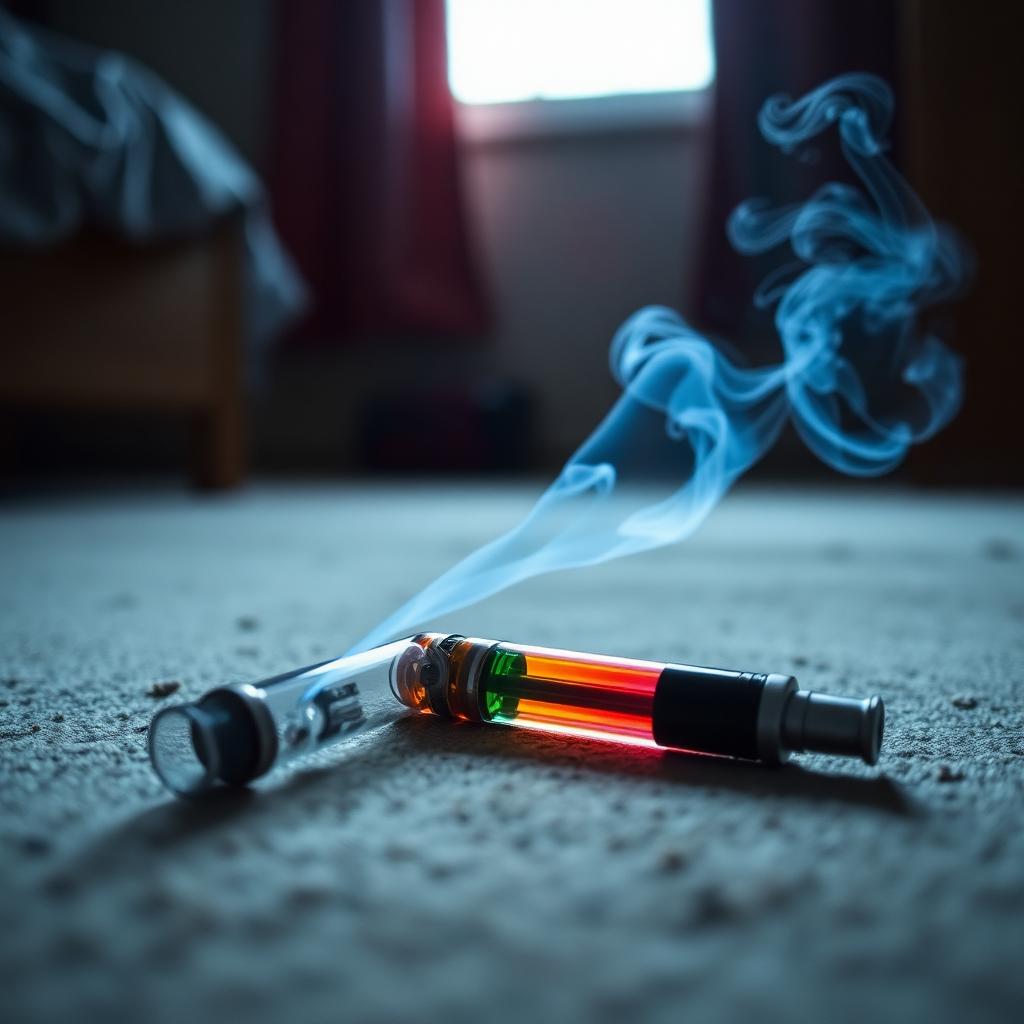
Hot plastic, mystery metals, soaring hospital admissions - and yet vaping is still being sold as the 'safer' option. Here's what the latest stats say, how vapes compare to cigarettes and snus, and the strategies parents are finding actually shift the needle.
I'll be honest: both my sons vape, and it's driving me up the wall. Every time I see that little plastic stick glowing in their hand I picture hot plastic particles, mystery metals and flavour chemicals being pulled deep into their lungs. If you're in the same boat, you're not alone.
The numbers back up the worry. NHS England data shows hospital admissions in under-18s for vaping-related conditions have risen sharply year on year, with cases of lung injury, severe asthma flare-ups and nicotine poisoning all climbing. Action on Smoking and Health (ASH) estimates around 1 in 4 UK 11–17 year olds have now tried vaping, and roughly 7% vape regularly - a figure that has more than tripled since 2020. Disposable vapes were the gateway for most of them, which is exactly why the UK government banned single-use disposables from June 2025. Early signs are that it's helped, but refillable pod systems and illegal high-nicotine imports have rushed in to fill the gap.
So is vaping actually 'better' than the alternatives? It's a fair question and the honest answer is: it depends what you're comparing it to. Public Health England's much-quoted line that vaping is 'around 95% less harmful than smoking' was written for adult smokers trying to quit cigarettes - not for teenagers who have never smoked. Compared to a lifetime of combustible tobacco, yes, vaping is less harmful. Compared to nothing at all, the proverbial jury is out. Nicotine itself is bad news for an adolescent brain, which is still wiring up impulse control, memory and mood regulation until roughly age 25.
What about snus, the Swedish pouches that have quietly become popular in UK schools (often sold as 'nicotine pouches' like Velo or Zyn)? They skip the lungs, which removes one big category of harm, but they deliver very high doses of nicotine straight through the gum - leading to gum recession, mouth lesions and ferocious dependence. Sweden has lower lung cancer rates partly because of snus, but it's still nicotine addiction in a tidy package.
The hot plastic worry is legitimate too. Independent lab studies (including work by Johns Hopkins and University College London) have found heated vape coils can release metals like nickel, lead and chromium, plus formaldehyde and acrolein when devices run hot or dry. Cheap, illegal or counterfeit vapes are the worst offenders - and they're exactly the ones teenagers can buy under the counter for a fiver.
So what actually works as a parent? Here's the strategy that keeps coming up from families, GPs and youth workers I've spoken to:
1. Lead with curiosity, not a lecture. Ask what they like about it, what their friends use, where they get them. You'll learn more in ten minutes of listening than in a year of telling them off.
2. Make the harm concrete and personal. 'It's bad for you' bounces off. 'Nicotine literally rewires the bit of your brain that helps you concentrate in exams' lands better. So does showing them a teardown video of what's actually inside a disposable.
3. Tackle the addiction, not just the behaviour. If they're vaping every day they are nicotine dependent - willpower alone is brutal. The NHS Smokefree app, Quit Vaping support from Better Health, and nicotine replacement (patches/gum) prescribed via a GP are all free and genuinely help.
4. Control the supply where you can. Empty pockets and bags at the door is a war you'll lose. But you can refuse to fund it - no cash top-ups, monitor card spending, and report shops selling to under-18s to Trading Standards (they do act on it).
5. Replace the ritual. A lot of teen vaping is fidget plus social glue, not just nicotine. Gym memberships, sports clubs, chewing gum, even a vape-shaped inhaler with no nicotine - anything that fills the hand-to-mouth habit while the chemical craving fades. But these all cost money.
6. Be patient and stay in the room. Most teens who quit relapse at least once. Treat it like learning to drive, not flipping a switch.
Are we doomed to failure? No - but we're up against billion-pound marketing, peer pressure and a genuinely addictive product engineered to taste like bubblegum. The parents I see making progress aren't the ones who go nuclear. They're the ones who stay calm, stay informed, stay connected, and keep showing up to the conversation even when their teen rolls their eyes.
If you've found something that's worked in your house - a quit app, a conversation that finally landed, a school that's taken it seriously - please share it in the forum. We're all figuring this one out together.
Join the conversation
Head to the forum to discuss this and other topics with parents in the same boat.
Visit the forum